


Advocacy in MO Disability Services: What It Looks Like in Practice
Missouri’s disability services system—anchored by the Department of Mental Health—grows strongest when advocacy is not a separate task but the natural fabric of daily care. It moves us from compliance to compassion, from checklists to connection.

Whitley Lemon
Mar 266 min read


Reach. Restore. Repeat.
The r3 Summit and r3 Conference are more than events. They are reminders of WHY Restoring Hope exists. They celebrate the caregivers, team members, and partners who choose—every day—to show up for others. And they reflect the mission that continues to guide us forward: Reach. Restore. Repeat.
Whitley Lemon
Mar 126 min read
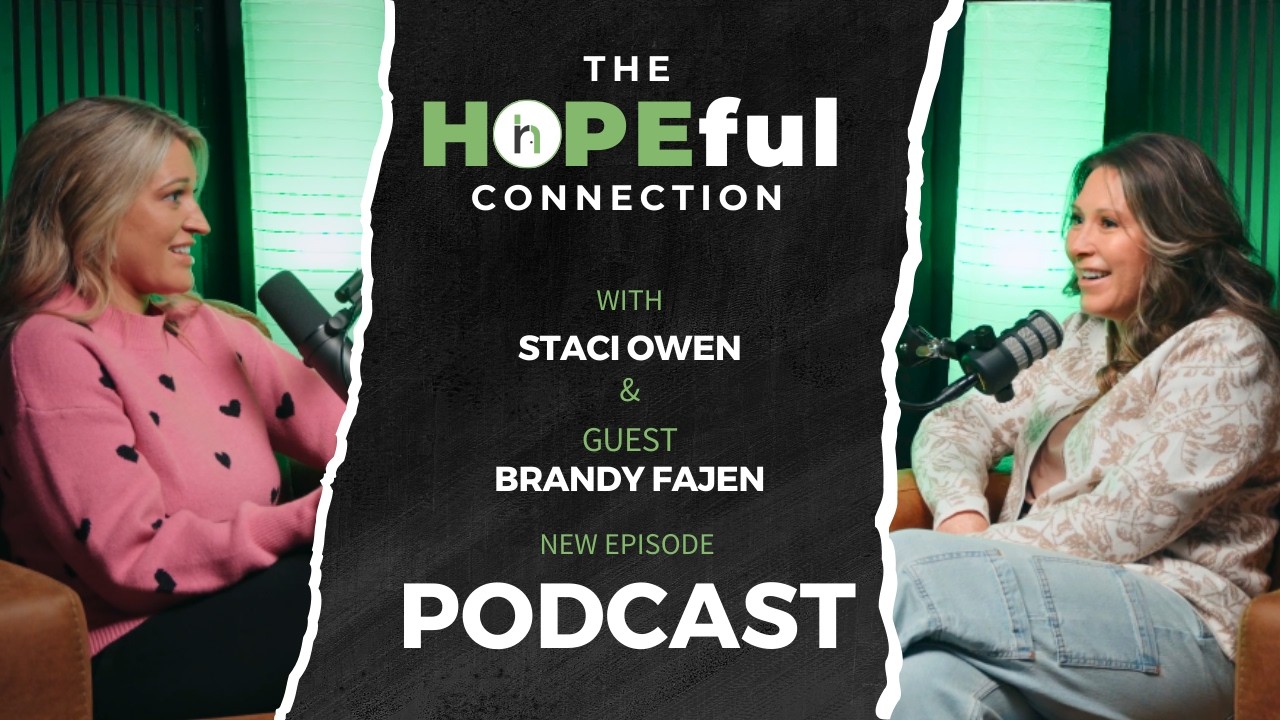
The Heart of Caregiving in Missouri: Why Relationship-Based Care Matters
In Missouri’s disability services landscape, the answer lies in relationship-based care—a model that values trust over turnover, partnership over transactions, and long-term stability over short-term fixes.
Whitley Lemon
Feb 204 min read


Why Caregiving Is One of Missouri’s Most Meaningful Careers
DSPs are essential to Missouri’s disability services system—and to the well-being of the communities they serve.
Whitley Lemon
Jan 273 min read


Navigating Disability Services in Missouri: A Family Guide for the New Year
Across Missouri, Host Home and Relief Home caregivers play a critical role in supporting individuals with intellectual and developmental disabilities. As caregivers open their homes—or provide short-term support—they often find themselves navigating Missouri’s disability service system from a unique perspective: not as parents or guardians, but as trusted providers of daily care, stability, and relationship. The Unique Role of Host and Relief Home Caregivers Host Home and Rel
Whitley Lemon
Jan 153 min read


Understanding the Impact of World Day Against Human Trafficking on Vulnerable Populations - MSHP Insight Provided
July 30th marks World Day against Human Trafficking. This heinous crime affects people of all ages, and in particular, "runaways, childhood trauma survivors, foster children, and disabled people" who "make up 70% of the perceived risk of sex trafficking for social groups," according to Ryan Pace, Missouri State Highway Patrol and Director of School Safety at Branson R-IV. And of that 70%, many fall directly into the group of people we serve and care for, meaning they are at a
Whitley Lemon
Jul 30, 20254 min read


Life Affirming - Love, Support, and Education
These are the life-affirming principles upon which the Pregnancy Resource Center has built its foundation - Love, Support, and Education.
Whitley Lemon
Nov 19, 20246 min read


National Disability Employment Awareness Month
October is National Disability Employment Awareness Month (NDEAM), a time to celebrate the contributions of individuals with disabilities.

Katelyn Hellmer
Oct 9, 20246 min read


Work From Home With Purpose
In this blog post, we will take a deep dive into what you can expect from a Work From Home opportunity with Restoring Hope!
Whitley Lemon
Sep 26, 20248 min read


The Journey Through Foster Care - Bruton Edition
I was completely second-guessing my decision during the entire trip to the hospital. What was I thinking? However, once I laid my eyes on …

Lani Blagg
May 20, 20248 min read


A Month of Hope 💚
The timing literally couldn't be more perfect! The month we announce and kick-off Project Hope is also the very same month that HOPE is...
Whitley Lemon
Apr 25, 20245 min read


The Spleen of Society - Social Workers
March is Social Worker Month. Social workers are kind of like the spleen – you don't really know how it works but you know it's important.
Lani Blagg
Mar 19, 20246 min read


We Are Here - We Have Hope
At Disability Rights Legislative Day advocates join together to make their voices heard and hear from state officials on what they're doing.
Whitley Lemon
Mar 15, 20246 min read


Restoring You - A Caregiver's Guide
Do I have that time? Not really, but that’s where being honest and locking down a schedule that does allow for your thing, is important.

Kevin Styles
Feb 16, 20243 min read


The War Against Burnout and Compassion Fatigue
Social work and being a caregiver is exhaustive, demanding, and draining on our emotional tanks. Thus, caring for yourself is imperative.
Whitley Lemon
Jan 25, 20245 min read


New Year’s Resolution: Making Space in Your Life for Gratitude
By practicing gratitude, you create a deeper connection with yourself, and it is a great way to regulate those negative feelings...
Lani Blagg
Jan 2, 20244 min read


